






23/10/2026
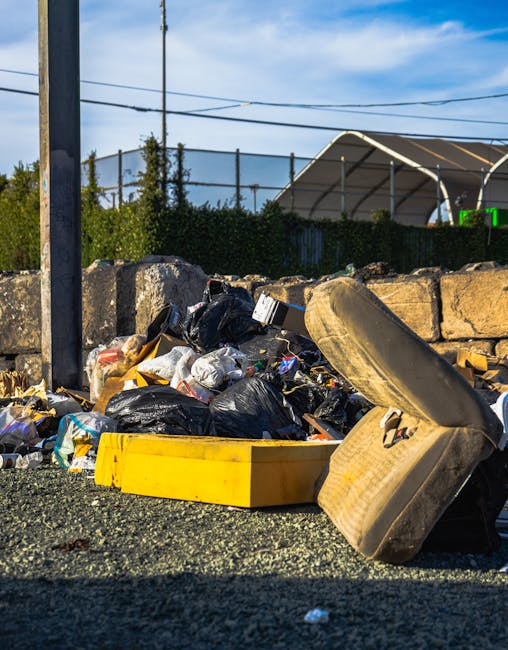
If you are booking rubbish removal in Fulham or anywhere across SW6, the headline price can look...
Rubbish Clearance Fulham provides practical waste removal in Fulham for households, landlords, offices and trade customers who need unwanted items taken away in an organised way. Our service covers everyday domestic waste, bulky furniture, garden cuttings, builders’ debris and commercial clearances, so customers can arrange a single collection for the kind of material they actually need to move. The aim is straightforward: remove rubbish responsibly, keep the process clear, and make it easier to choose the right service first time.
We handle mixed loads as well as single-category collections, and we can separate common material types where that is needed for disposal. Furniture removal, appliance disposal and house clearance jobs often involve a combination of items rather than one neat pile, so a good clearance plan has to think about access, lifting and sorting as well as the final destination of the waste. If you are comparing options, the key is to match the service to the load rather than overpay for more than you need.
If you already know what needs removing, the easiest next step is to request a quotation with a clear description of the waste and the collection point. For larger or mixed clearances, a brief list of items is usually enough to start. If you prefer to read more about the range of work first, our services overview gives a useful starting point.
Domestic rubbish collection in Fulham is often needed when rooms are being refreshed, storage areas are being emptied, or household items have become too bulky to take to standard bins. This type of work may include bagged rubbish, broken household goods, light mixed waste, old toys, boxes and general clutter. A well-planned collection keeps the process tidy and avoids leaving the customer to sort through material that can already be identified and removed safely.
For households that want a more specific service, our domestic waste collection page explains the type of household loads that sit comfortably within this service. We also handle house clearance work where whole rooms or substantial parts of a property need to be cleared rather than just one or two items. That can suit moves, end-of-tenancy preparation, bereavement clearances and general decluttering.
When arranging domestic rubbish removal, it helps to separate anything that may need special handling from the ordinary load. Items with obvious repair value, documents that should be retained, and anything classed as hazardous should be dealt with before collection day. Mixed domestic waste is often the simplest to process when the larger items are identified in advance and access is clear, so the team can work efficiently and keep the collection focused on removal rather than sorting at the kerbside.
Large furniture and white goods create most of the awkward lifting in a clearance job, which is why they are often booked as dedicated collections. Sofas, wardrobes, beds, tables, shelving and chairs can be moved as part of a single visit, and appliances such as fridges, washing machines and cookers may need separate handling depending on their condition and composition. The right approach depends on the item, the route out of the property and whether the load includes other rubbish as well.
If the main task is to remove bulky items from a property or business premises, our furniture removal service is a good fit. Where the load includes machines and kitchen equipment, the white goods and appliance disposal page sets out that part of the work. These services are often used together, especially when rooms are being reconfigured or emptied after replacement purchases.
In practical terms, customers usually benefit from keeping a short note of the items to be removed and any access points that matter, such as narrow staircases, basement steps or shared entrances. That helps avoid delays and allows the collection to be planned around the shape and weight of the furniture. Clear access and accurate item descriptions matter more than lengthy explanations, because they make it easier to estimate the work and choose the most suitable team for the job.
Garden waste removal is useful after pruning, hedge cutting, lawn work or a more involved outdoor tidy-up. Typical materials include branches, hedge trimmings, leaves, soil-contaminated green waste, old plant pots and broken outdoor items. The service is especially helpful when green waste has built up beyond what normal garden bins can take, or when a one-off clearance is needed before replanting, landscaping or a general seasonal clean-up.
Our garden waste removal page covers the type of outdoor material commonly taken away in this service, including mixed garden debris and bulky cuttings that are awkward to bag. Because outdoor waste can vary from light clippings to heavier branches and soil, collections are best arranged around the actual volume and condition of the material rather than a broad guess. That keeps the service practical and prevents unnecessary disruption in the garden.
When preparing a garden clearance, it helps to group the waste in an accessible spot and keep any reusable items separate from the rubbish. Pots, tools, ornaments and timber can sometimes be left out accidentally when work is being done quickly, so a short check before collection can save time. If the job also includes old sheds, damaged fencing or leftover renovation debris from outdoor work, it may be worth discussing whether a broader builders’ style collection would be more suitable.
Builders’ waste removal is designed for the debris left behind by construction, refurbishment and maintenance work. That can include rubble, timber, packaging, plasterboard, tiles, old fixtures and general site waste. It suits homeowners updating a room, landlords preparing a property after works, and tradespeople who need the remaining material cleared without waiting for a skip to sit on site for longer than necessary. The load should always be described carefully, because not all renovation waste is the same.
For this type of clearance, our builders’ waste removal service is the most direct option. Where the project has created rubbish across several rooms or includes domestic items as well as construction leftovers, the collection may be better approached as a mixed clearance. In commercial premises, the balance can be different again, which is why the commercial waste removal page is also relevant for offices, shops and other business settings.
A useful rule for renovation loads is to separate sharp offcuts, heavy fragments and dust-heavy material from lighter packaging and general junk. This is less about formality and more about making the collection safer and more efficient. Construction debris can be dense, uneven and awkward to move, so the more clearly it is described in advance, the easier it is to plan the right disposal method and the best vehicle size for the work.
Fulham is a district in the London Borough of Hammersmith and Fulham, in south-west London, lying on the north bank of the River Thames between Chelsea and Hammersmith. Its character is shaped by a mixture of long-established residential streets, riverside stretches, busy main roads and local centres such as Fulham Broadway, Parsons Green and Putney Bridge. The area developed from a historic riverside settlement into a dense urban district, and much of its built environment reflects that long layering of change, from older terraces and Victorian housing to later apartment buildings and commercial frontages. Fulham Palace, once the historic London residence of the Bishops of London, remains one of the best-known landmarks in the district, with grounds that add a quieter green counterpoint to the surrounding streets. South Park and Eel Brook Common provide open space within the urban grain, while the river corridor offers a different kind of landscape altogether, with embankment views, walking routes and access to the wider Thames path network. Stamford Bridge, home to Chelsea Football Club, sits on the Fulham side of the local boundary and is another major point of reference in the district. Fulham’s character is therefore not defined by a single centre but by a network of streets, parks, river edges and neighbourhood hubs that give it a varied and recognisable local identity.
Commercial waste clearance is the right choice when a workplace, retail unit, managed property or shared building needs unwanted material taken away with minimal fuss. The work may involve packaging, obsolete stock, broken fittings, office furniture, archive material, display items or general waste from a refit. The main difference from domestic work is usually the mix of items and the need to keep the collection aligned with business operations, access arrangements and building rules. A tidy, well-described load helps the process stay efficient.
For business customers, our commercial waste removal service is designed to handle that broader range of workplace material. When the task is mostly old desks, chairs or storage units, furniture removal may still be the better match; when the work follows a refurbishment or shop fit-out, builders’ waste can be more appropriate. The right service saves time because it sets expectations around what is being removed and how the collection should be organised.
Businesses usually benefit from having a brief inventory ready before asking for a price. That does not need to be complicated: a few notes on item type, quantity, floor level and access restrictions are often enough to identify the most suitable service. If you would like to compare the main options side by side, our pricing and quotes page is a useful place to start.
When people compare rubbish removal services, the useful questions are usually about what is included, how the load is assessed and where the waste goes. Good pricing should be tied to the material being cleared, the amount of labour involved and any special handling required for dense, awkward or mixed items. That is why a clear description at the outset matters: it helps shape a quotation that reflects the actual work rather than a vague estimate based on guesswork.
Our waste carrier licence and compliance page explains the importance of lawful disposal, while the insurance and safety page covers the need for sensible handling practices around lifting and removal. For customers who want to understand how payments are managed, the payment and security page sets out the basics. These pages are useful because they support informed decisions, especially where the load is mixed or the property access is less straightforward.
If you are unsure which service suits your load, it is usually best to describe the item types first and let the collection be matched to that. Responsible disposal is not only about getting rid of the waste, but about separating the kind of material that can be handled together from material that should be treated differently. If you are ready to move forward, please ask for a quotation and we will help you identify the most suitable collection.
Some customers know exactly what they need removed, while others are still working out whether the job is best treated as domestic waste, furniture removal, garden clearance or a larger house clearance. The service pages on this site are arranged so you can narrow that down without having to read everything at once. If the load is straightforward, a single page may be enough; if it is mixed, comparing two or three related pages often gives a clearer picture of the most suitable approach.
For fuller context on the business and its service focus, the about us page and recycling and sustainability page add background on how the company presents its work and waste handling priorities. Those pages are helpful when a customer wants to check supporting information before sending details of a collection. The important point for the quote stage is still simple: item types, approximate quantity and access information are usually enough to begin.
Two short pointers often make the enquiry easier. First, keep anything that must not be taken well away from the load. Second, if the clearance includes large furniture or awkward appliances, mention stairs, parking limitations or shared entrances. That small amount of preparation helps the quotation reflect the real job and reduces the chance of misunderstanding later on. For the quickest response, use the contact page at the end of your enquiry.
Whether you need one bulky item removed, a room emptied, garden debris cleared or a mixed waste load collected from a business address, the service begins with a clear description of what needs to go. That allows the work to be matched to the right type of collection and keeps the process focused on the actual material rather than a general guess. If you are not sure which category fits best, start with the main item types and we can help you narrow it down.
For more detail on the options most customers compare first, the services overview and furniture removal pages are useful references, while the earlier sections on domestic, garden, builders’ and commercial waste show how different clearances are approached. You do not need a long explanation to get started; a short list of items, the property type and any access notes will usually do. If the load is unusually mixed or contains heavier pieces, say so at the outset.
To request a quotation, please use our contact us page and send the details of what needs removing. We will review the job information and help you choose the most appropriate rubbish clearance service in Fulham.
Rubbish Clearance Fulham provides domestic, furniture, garden, builders and commercial waste removal in Fulham, with clear pricing and straightforward quotes.
If you are booking rubbish removal in Fulham or anywhere across SW6, the headline price can look...
If you live or work around Fulham Broadway and New Kings Road, rubbish has a habit of building up...

If you need rubbish gone today, the clock suddenly matters.

If you run a shop, manage a commercial unit, or oversee a refurbishment in SW6, builders rubbish...

If you live, work, or manage a property near Fulham Palace Road, rubbish timing is one of those...
If you have ever tried to organise a clearance in Parsons Green, you will know the real challenge...
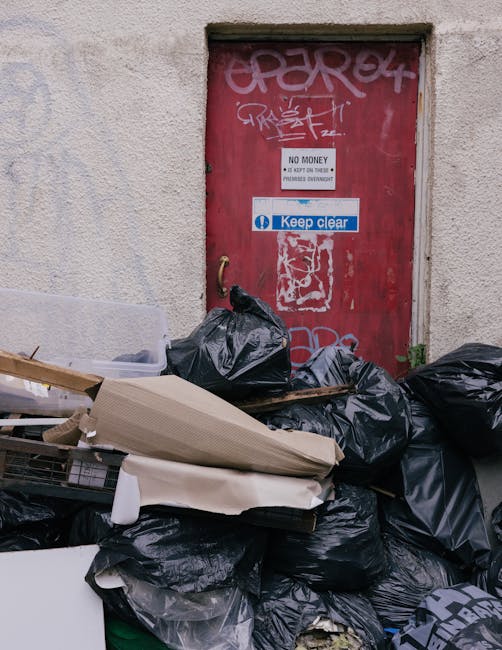
If you are looking at SW6 rubbish clearance costs what to know before booking, chances are you...

Fulham, one of London's most charming and vibrant neighborhoods, has long been a popular...

In today's throw-away society, it is easy to mindlessly toss out items that we no longer need or...

Fulham, located in the London Borough of Hammersmith and Fulham, is a highly-sought-after area in...

Fulham, located in the southwest part of London, is one of the most attractive areas for property...

When it comes to vibrant nightlife and unforgettable parties, few places can compete with Fulham,...

 (82)
(82)
Please fill out the form below to send us an email and we will get back to you as soon as possible.