SW6 rubbish clearance costs what to know before booking
Posted on 18/06/2026
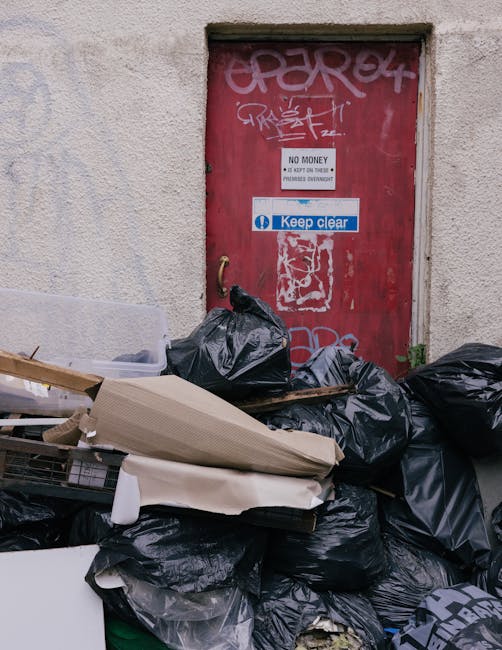
SW6 rubbish clearance costs: what to know before booking
If you are looking at SW6 rubbish clearance costs what to know before booking, chances are you want a clear price, no nasty surprises, and a job done properly. Fair enough. Whether you are clearing a flat after a tenancy, shifting builders' debris, or finally dealing with the pile of furniture that has been staring at you for weeks, the real question is not just how much it costs. It is what you are actually paying for.
In SW6, costs can vary quite a bit depending on volume, access, waste type, labour, and how quickly you need the work completed. This guide breaks all of that down in plain English, so you can compare quotes with confidence, avoid common traps, and choose the right kind of clearance for your situation. We will also cover compliance, practical booking tips, and the little details that often matter more than people expect.
Why SW6 rubbish clearance costs what to know before booking matters
Booking rubbish clearance sounds straightforward until the quote lands and the number is higher than expected. That is usually when people realise that clearance pricing is not one neat fixed figure. It is a mix of the waste itself, the time needed, the crew size, the vehicle required, and the access conditions at your property.
For SW6 homes and businesses, that matters because the area has a real mix of property types. You might be dealing with a top-floor flat with no lift, a terraced house with limited parking, or a commercial unit with bulky stock to remove before opening day. Each setup changes the job. Quite a lot, actually.
Knowing the cost drivers before you book helps you do three useful things:
- compare quotes like-for-like rather than just chasing the cheapest price;
- spot hidden extras before they appear on the invoice;
- choose the most practical service for the amount and type of waste you have.
It also helps you judge whether a provider is being clear and professional. A good clearance company should be able to explain its pricing simply. If the explanation sounds vague or rushed, that is usually a sign to slow down.
For readers who want to understand the wider service picture first, the services overview is a useful starting point, especially if you are comparing household, commercial, or specialist waste removal options.
How SW6 rubbish clearance costs what to know before booking works
Most rubbish clearance quotes in SW6 are based on a combination of visible volume and practical effort. In other words, how much waste is there, how awkward is it to remove, and what sort of items are involved?
Here is the basic logic behind the price:
- Waste volume is assessed. This might be done by photos, a site visit, or an estimate based on bags, bulky items, or room size.
- The type of waste is identified. General household rubbish is usually simpler than mixed builders' waste, heavy rubble, fridges, or mattresses.
- Access is checked. Stairs, lifts, tight hallways, parking restrictions, and distance from the property all affect the labour involved.
- Labour and disposal are priced in. The team is not just moving items; they also need to sort, load, transport, and dispose of them responsibly.
- Any extras are added. These can include same-day collection, out-of-hours work, specialist handling, or difficult access.
One thing people often miss is that the cheapest-looking quote can be the most expensive by the end of the job if it excludes labour, loading time, or disposal charges. That is why the booking stage matters so much.
If you are comparing quotes, it can help to review a provider's pricing and quotes guidance before deciding. A clear pricing structure usually makes it easier to understand what is included and what is not.
There is also a practical difference between a quick kerbside pickup and a full clearance service. Kerbside jobs are faster when everything is already outside. Full clearances often include carrying items down stairs, which takes more time and more hands. It sounds obvious, yet this is where a lot of quoting confusion begins.
Key benefits and practical advantages
Yes, rubbish clearance costs money. But the right service can save you time, stress, and a fair bit of back strain as well. The value is not only in removing waste. It is in making the process manageable.
- Speed: A good team can remove waste quickly, which is especially useful before a move, end of tenancy, or renovation deadline.
- Convenience: You do not need to hire a skip, find permits, or spend a weekend loading up a van yourself.
- Flexibility: Many clearance jobs can be tailored to mixed waste, awkward items, or just part of a property.
- Cleaner finish: A proper clearance leaves the space ready for cleaning, staging, or immediate use.
- Responsible disposal: Reputable providers sort what can be reused or recycled, which matters if you are trying to minimise landfill.
For furniture-heavy jobs, you may also want to look at furniture removal in Fulham. That can be a better fit than a generic clearance when the job is mainly sofas, wardrobes, beds, or office furniture.
There is also a sustainability angle here. If some of your items can be reused or repurposed, you may reduce disposal volume and cost. That is worth thinking about before you book, especially if you have decent furniture or household items that still have life in them.
To be fair, there is a nice feeling when a space goes from cluttered and slightly overwhelming to completely clear in a single visit. The room suddenly breathes again. You notice the light differently. Funny how that works.
Who this is for and when it makes sense
SW6 rubbish clearance is not only for people with huge piles of waste. It can make sense in all sorts of everyday situations.
- Homeowners: For loft clear-outs, garage clutter, spare-room decluttering, or post-renovation waste.
- Tenants and landlords: For end-of-tenancy rubbish, abandoned items, or quick turnarounds between lets.
- Estate and letting agents: For time-sensitive removals where the property needs to be made presentable fast.
- Tradespeople and renovators: For builders' waste, packaging, broken fixtures, and site tidying.
- Small businesses: For office clearances, stock disposal, old displays, or commercial rubbish.
- Busy families: For a one-off reset after a big life change, house move, or extended clear-out.
If your waste is mainly from DIY or construction work, it is worth reading about builders waste removal in Fulham because the pricing logic can be quite different from domestic rubbish removal.
Households with a lot of mixed contents may also benefit from house clearance in Fulham, especially if the job involves multiple rooms, attic spaces, or properties being prepared for sale or letting.
And if the waste is mostly everyday refuse, packaging, bags, or smaller household items, a general domestic waste collection service may be the simpler option.
There is no one-size-fits-all answer here. The right service depends on what you have, how quickly it needs to go, and how much lifting the crew will need to do. That part matters more than most people expect.
Step-by-step guidance
If you want the best chance of getting a fair quote, start with a simple process. Nothing fancy. Just a bit of preparation before you hit send on an enquiry.
1. Sort the waste into broad categories
Separate general rubbish, furniture, white goods, green waste, and builders' material if you can. You do not need perfection here, but rough categories help a provider quote more accurately.
2. Take a few clear photos
Photos from different angles are often enough for an initial estimate. Include the surrounding space too, because access affects labour. A tight stairwell in a SW6 terrace tells a different story from waste sitting in a driveway.
3. Check whether any items need specialist handling
Fridges, freezers, mattresses, hazardous items, paint, chemicals, and some electrical waste can require separate handling. Do not tuck that into the last minute. It usually causes price changes.
4. Ask what the quote includes
Ask directly whether the quote covers labour, loading, transport, disposal, and VAT if applicable. You are not being difficult. You are being sensible.
5. Compare more than the headline price
A slightly higher quote may still be better value if it includes everything and the crew is fully licensed and insured. Cheap can be fine. Cheap and vague is the problem.
6. Book at a time that suits the property
If parking is tight or neighbours are likely to be affected, choose a time slot that makes the move smoother. Early morning can be calmer. So can late afternoon, depending on the street.
7. Prepare access before the team arrives
Open gates, clear hallways, and set aside anything you want to keep. A few minutes of preparation can cut the job time down noticeably. It sounds minor, but it really helps.
If you are moving around Fulham or planning a property handover, the local context matters too. Our article on property transactions in Fulham can be helpful if clearance is part of a sale, purchase, or tenancy transition.
Expert tips for better results
After enough clearance jobs, a pattern emerges. The people who get the smoothest experience usually do a few small things right from the start.
- Be honest about volume. If you understate the amount of waste, the price may need adjusting on arrival. That is normal, but avoidable.
- Mention access issues early. No lift? Narrow staircase? Permit parking? Say so up front.
- Ask about recycling and reuse. A provider with a strong sustainability process can often divert more from landfill.
- Keep valuables and keepers separate. Don't let important paperwork or small items disappear into the pile by accident. Happens all the time.
- Think in zones. If the waste is spread across several rooms, a quick labelled pile system can save time.
One useful habit is to ask for a description of the vehicle size and crew count. It gives you a clue about whether the quote is realistic. A large load with one person and no clear access plan? That may be a bit optimistic.
For customers who care about reuse, the article on upcycling and repurposing common items is worth a look before you clear everything out. Sometimes a small bit of imagination saves space and money.
And if you are clearing a garden after a busy weekend, a little pre-sort of branches, soil, pots, and general waste can make a surprising difference. Garden jobs look simple until you hit a bin bag full of wet soil. That stuff gets heavy fast.

Common mistakes to avoid
Most problems in rubbish clearance are not dramatic. They are just annoying, expensive, and completely avoidable. Here are the big ones.
- Booking on price alone: The cheapest quote may exclude disposal, lifting, or awkward access.
- Not declaring special waste: White goods, paint, broken appliances, and bulky fittings can change the job.
- Forgetting about access: A flat on the fourth floor without a lift takes longer than a ground-floor pickup. Obviously, but easy to overlook.
- Leaving everything until the last minute: This is how people end up paying for same-day work they did not plan for.
- Mixing reusable items with rubbish: If something can be donated, sold, or reused, separating it first can reduce the amount to clear.
- Ignoring licences and insurance: This is not the place to gamble. If waste is fly-tipped, the original owner can end up with the headache.
Another common issue is assuming every clearance service works the same way. They do not. Some are better for domestic one-offs, some for builders' waste, and some for commercial jobs. The fit matters.
If the job involves appliances, take a moment to review white goods and appliance disposal in Fulham. It is a simple step that can save confusion when the team arrives.
Tools, resources and recommendations
You do not need a complicated toolkit to prepare for clearance. A few simple things are enough.
- Phone camera: Use it to photograph the waste from several angles.
- Notebook or notes app: Jot down items that need special mention.
- Labels or marker pen: Helpful if you are separating keep, donate, and clear piles.
- Measuring tape: Useful if you want to estimate large furniture or stacked waste.
- Access check list: Parking, lift access, entry codes, neighbour considerations, and time restrictions.
For anyone comparing providers, this website's about us page can help you understand the kind of business you are dealing with, while the insurance and safety information is useful if your property has tight stairs, shared entrances, or fragile surfaces.
If payment handling is part of your decision, it is also sensible to review payment and security details before you book. Clear payment terms are usually a good sign. Muddy ones are not.
For environmentally minded customers, the recycling and sustainability approach is worth checking, especially if you want reassurance that usable items and recyclable materials are being handled properly.
Small recommendation, but an important one: keep a single message thread with the company. It makes it easier to track what was quoted, what was agreed, and what the final plan is. A tiny thing. Very useful.
Law, compliance, standards, or best practice
Waste clearance is not just a practical job. It also carries responsibility. In the UK, waste must be handled by businesses that are authorised to carry and dispose of it properly, and customers should make reasonable checks before booking. That is the simple version.
Best practice means:
- using a provider that can demonstrate compliance with waste carrier requirements;
- making sure waste is taken to legitimate disposal or recycling facilities;
- getting clear terms on what happens to different waste streams;
- keeping a record of the service if the clearance is part of a tenancy, sale, or business operation.
The page on waste carrier licence and compliance is especially relevant here. It helps explain why licences matter and why a low-cost quote from an unverified operator can be a false economy.
Commercial customers should be extra careful. If the waste is from an office, shop, or worksite, there may be internal policies, landlord requirements, or audit trails to keep in mind. Nothing dramatic, just a bit of paperwork discipline.
If you are a landlord or agent dealing with a handover, the practical side of clearance often overlaps with property preparation. In those cases, the key is to plan waste removal early so you are not scrambling the day before photos or keys change hands.
Options, methods, or comparison table
There are a few different ways to deal with rubbish in SW6. Each has its place. The right choice depends on the size of the job, the type of waste, and how much effort you want to put in yourself.
| Option | Best for | Pros | Watch-outs |
|---|---|---|---|
| On-site rubbish clearance | Mixed household, bulky items, urgent jobs | Fast, convenient, labour included | Price can vary with access and waste type |
| Builders' waste removal | Renovations, DIY, construction debris | Designed for heavier, dirtier loads | May need clearer categorisation |
| Domestic waste collection | Everyday household rubbish | Simple and flexible | May not suit very bulky loads |
| Furniture removal | Sofas, wardrobes, beds, desks | Good for bulky but manageable items | Special handling may affect pricing |
| House clearance | Full or partial property clear-outs | Ideal for whole-room or whole-property jobs | Needs good planning if the property is large or cluttered |
For commercial jobs, the right option is often a separate one entirely. If that sounds like your situation, see commercial waste removal in Fulham for a more suitable fit than a standard household collection.

Case study or real-world example
Imagine a two-bed flat in SW6 at the end of a tenancy. The tenants have left behind a broken chest of drawers, a mattress, several black bags of mixed rubbish, and a few bits of unwanted kitchenware. There is no lift, the stairwell is narrow, and parking is limited to a short loading window outside.
On paper, it sounds like a small job. In reality, it is not quite that simple.
A decent quote would likely take into account:
- the number of bulky items;
- the need to carry everything down stairs;
- the time required to load within parking or access limits;
- whether any of the items require special disposal;
- the possibility that the crew will need two people rather than one.
If the landlord wants the property turned over quickly, a same-day or next-day booking might be worth the premium. If there is more time, a flexible collection slot could reduce the cost a little. That is the balance, really: speed versus price versus convenience.
In a slightly different scenario, a homeowner clearing a spare room might have mostly reusable furniture. In that case, part of the value comes from sorting items properly before the team arrives. Less waste, less weight, less cost. Simple win.
This is why a proper quote conversation is worth the effort. It is not just about the number. It is about matching the service to the actual job. Truth be told, that is where most of the value sits.
Practical checklist
Use this before booking rubbish clearance in SW6.
- Take clear photos of all items to be removed.
- List bulky, heavy, or unusual items separately.
- Note stairs, lifts, parking issues, and access codes.
- Ask whether labour, loading, and disposal are included.
- Check whether the provider handles licensed waste transfer properly.
- Confirm the time window and whether same-day work changes the price.
- Separate items you want to keep, donate, sell, or recycle.
- Review payment terms before you confirm.
- Ask how recyclable materials are handled.
- Keep the booking confirmation and quote in one place.
If your clearance is tied to a move, sale, or new tenancy, it can also help to think about timing alongside the wider property timeline. A clean handover is easier when the waste is gone before the pressure really kicks in. You know the feeling.
Get a free quote today and see how much you can save.
Conclusion
When people ask about SW6 rubbish clearance costs, they usually want one simple answer. But the real answer is a bit more useful than that: cost depends on the waste, the access, the labour, and the level of service you need. Once you understand those pieces, quotes become much easier to compare.
The best approach is straightforward. Describe the job clearly, ask what is included, check compliance and insurance, and choose the option that fits your property rather than the one that just looks cheapest on the page. That small bit of care can save time, money, and a fair amount of hassle.
And if all you needed was a clear path through the clutter, that is perfectly fine too. One good booking can make a room, a flat, or even a whole property feel lighter in a way that is hard to explain until you see it.
Sometimes clearing the space is the first proper breath a property gets in a long while.