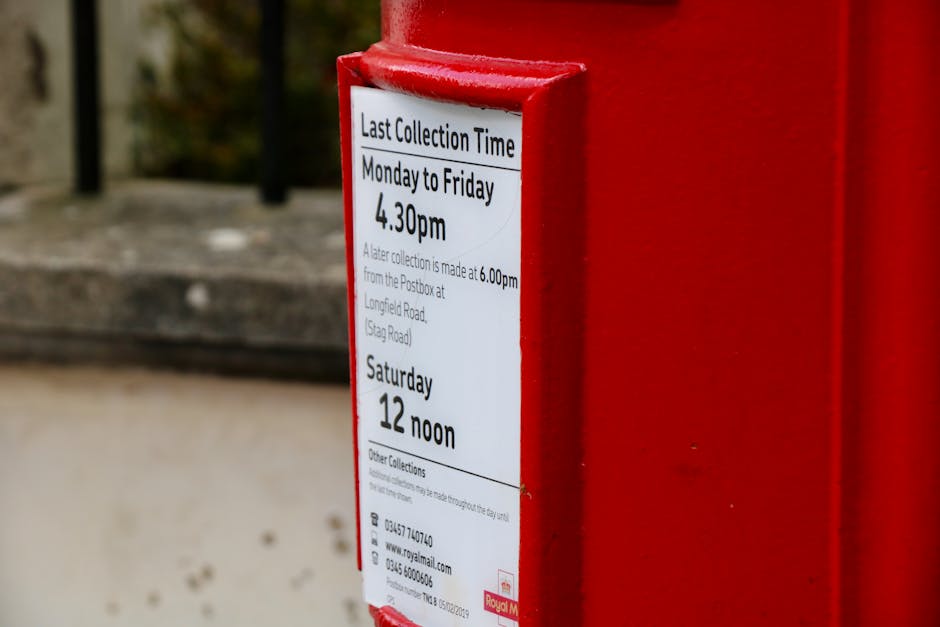
Fulham Palace Road rubbish collection times and local rules
Posted on 13/07/2026

If you live, work, or manage a property near Fulham Palace Road, rubbish timing is one of those small things that can quietly make life easier or, if ignored, turn into a messy problem fast. Fulham Palace Road rubbish collection times and local rules affect when you can put waste out, how neatly it needs to be presented, and what happens if you leave items where they shouldn't be. That matters for residents, landlords, shop managers, and anyone arranging a clearance on a street that already has plenty going on.
This guide breaks the topic down in plain English: how local collection routines usually work, what to watch out for, where people go wrong, and how to stay on the right side of local expectations without overcomplicating it. You'll also find practical steps, a comparison table, a checklist, and a few real-world pointers from the sort of situations people actually run into on a busy London road. No fluff. Just the useful bits.
Why Fulham Palace Road rubbish collection times and local rules Matters
On a road like Fulham Palace Road, timing is not just about convenience. It shapes how clean the street looks in the morning, how easy it is for pedestrians to pass, and whether waste sits out long enough to attract gulls, foxes, or a bit of general unpleasantness. Let's face it: one untidy pile at the wrong hour can make a whole pavement feel neglected.
For households, the main issue is avoiding missed collections and the kind of random overflow that happens when bags are put out too early or in the wrong place. For businesses, the stakes are higher. Frontage, access routes, bin storage, and delivery schedules can all clash if waste is not planned properly. For landlords and managing agents, poor waste handling can mean complaints, ugly entryways, and more time spent fixing avoidable problems.
There's also a practical local angle. Fulham Palace Road has a mix of residential blocks, older terraces, busy side streets, and commercial premises. That mixture means a one-size-fits-all approach does not work very well. What is fine for a quiet side street may be a nuisance on the main road itself. And if you've ever stood outside with three black bags, a mattress, and a neighbour's bike wedged against the railings, you know the point already.
Expert summary: The best results usually come from matching your waste outflow to the street's rhythm, not forcing your own rhythm onto the street. That sounds obvious. It isn't always done.
How Fulham Palace Road rubbish collection times and local rules Works
In practice, rubbish collection near Fulham Palace Road usually falls into two broad categories: regular council-style household collections and separate private or commercial waste arrangements. The exact schedule can vary by property type, bin system, and waste contractor, so the safest habit is to treat the time window as fixed by the local service or your building management, not by guesswork.
Most local collection systems expect waste to be presented shortly before pickup, not the night before unless that is specifically permitted. That distinction matters. Early presentation can create clutter, invite scavengers, and sometimes breach local rules. If you are unsure, assume that the less time waste spends on the pavement, the better.
Local rules usually focus on a few common-sense points:
- do not block the pavement, drive, or entrance routes
- keep bags sealed and containers closed where possible
- separate recyclable material from general refuse
- do not leave bulky waste out without arranging collection
- avoid placing rubbish where it can blow into the street
If you are arranging a one-off clearance rather than day-to-day bin use, the timing logic changes slightly. In that case, you want the collection crew to arrive when access is clear, neighbours are least affected, and the items are ready to go. If you need a broader overview of how different jobs are handled, the services overview page is a helpful starting point.
There is also a difference between what is convenient and what is allowed. A sofa left by the kerb in the hope that someone will take it away is not the same as a booked furniture removal. Same physical object, very different rules. You can see why people get caught out.
What usually affects the collection window?
A few things tend to shape the practical timing on Fulham Palace Road:
- Property type: a flat block may have set bin days and shared storage, while a shop or office may need a separate contract.
- Access: narrow frontages, parked cars, and loading restrictions can alter how waste should be presented.
- Waste type: general rubbish, green waste, appliances, and builders' rubble are usually handled differently.
- Street pressure: busy roads often benefit from tighter timing and shorter exposure on the pavement.
- Collection provider: council rounds, private collections, and managed estates all work to different routines.
Key Benefits and Practical Advantages
Getting rubbish timing right might not feel glamorous, but it saves time, money, and bother. That is the honest answer. The most obvious benefit is a cleaner street and a tidier frontage, but there are several others worth spelling out.
- Fewer complaints: neighbours are less likely to object if waste is out briefly and in the right place.
- Lower risk of mess: bags left too early are more likely to split, leak, or be torn open.
- Better recycling outcomes: waste sorted properly is easier to collect and process.
- Smoother property management: landlords and agents avoid repeated reminders and ad hoc fixes.
- Less disruption for businesses: front-of-house areas stay presentable for customers and deliveries.
There is also a softer benefit that people sometimes overlook: calm. When rubbish is handled on a routine, you stop thinking about it. No last-minute panic, no "where did that bag go?", no awkward voicemail from the building manager. Just done.
For people planning a larger clearance, it can help to compare the kinds of waste in advance. A bulky furniture job, for instance, is quite different from general domestic rubbish. If that applies to you, the dedicated furniture removal service and domestic waste collection in Fulham pages can help you match the job to the right approach.
Who This Is For and When It Makes Sense
This topic is relevant to more people than you might first think. It is not just for residents with too many black bags. It also matters for anyone who needs predictable waste handling on a road where access is already a bit tight. If you know Fulham, you know the pace: deliveries, school runs, parked cars, and occasional weather that seems to turn every bag into a sail.
You should pay attention if you are:
- a tenant trying to avoid bin-day confusion
- a homeowner managing regular household waste
- a landlord or letting agent responsible for a shared property
- a shop or office manager with daily rubbish output
- a builder or decorator generating site waste
- someone clearing a flat before sale or refurbishment
It also makes sense when you are dealing with a life event that produces more waste than usual. Moving house, a probate clearance, a refurbishment, or a major declutter can all create a surprising amount of material. If you are in that position, this may sit alongside other local decisions, like property transactions in Fulham or preparing a flat for a new owner. Waste logistics are not the headline, but they can definitely become the headache.
And yes, even party aftermath counts. A few broken glass bottles and an overfull recycling bag may not sound dramatic, but they still need handling properly the next morning. The road doesn't care that the music was good.
Step-by-Step Guidance
If you want a straightforward way to manage rubbish collection times and local rules near Fulham Palace Road, use this process. It keeps things simple and reduces the chance of silly errors.
- Confirm your property's collection arrangement. Check whether your bins are managed by the council, a building manager, or a private contractor.
- Separate waste by type. Keep general waste, recycling, food waste, green waste, and bulky items apart where possible.
- Find the right presentation time. Put waste out only within the approved window. If you do not know the window, ask before assuming.
- Make access easy. Move parked items, secure the path, and avoid stacking bags where they block doors or passers-by.
- Contain everything properly. Seal bags, tie loose items, and fold boxes flat if required.
- Label or identify bulky items if needed. Some shared buildings benefit from a note or a booking marker so items are not mistaken for fly-tipping.
- Bring bins back in promptly. Once collected, return containers so the frontage stays tidy and accessible.
- Document recurring issues. If collections are regularly missed or access is repeatedly blocked, keep a note. It helps when speaking to management or a contractor.
For more complicated loads, the timing needs to be matched with vehicle access and lifting time. That is especially true for clearance work involving mixed items or awkward access. In those cases, a little planning upfront saves a lot of back-and-forth later. If you are comparing disposal routes, it can also help to look at pricing and quotes before committing.
Expert Tips for Better Results
Over time, the same few habits make collection day easier. These are small things, but they stack up.
- Use the quietest window available. If you can choose between a cramped rush-hour handoff and a calmer slot, take the calmer slot.
- Keep bags manageable. Overfilled sacks split. That is just what they do.
- Think about weather. Rain can weaken cardboard, make bags sag, and turn loose paper into confetti.
- Watch the pavement line. On busy roads, a bag that seems "out of the way" to you may still narrow the path for someone with a buggy or mobility aid.
- Do not mix awkward materials together. Broken glass, textiles, and food waste should not all live in the same bag unless there is no safer option.
- Use the right service for the right job. Builders' rubble is not household rubbish, and white goods are their own category entirely.
One local reality worth mentioning: access on and around Fulham Palace Road can be fiddly. Cars come and go, and a perfectly planned collection can still be thrown off by a parked van or an awkward corner. That is why people doing bigger clearances often find it useful to read up on access before booking. The Parsons Green access and parking tips article is useful in that respect, even if your exact street is a little different.
Truth be told, the best tip is often the dullest one: keep the waste simple, neat, and ready. Boring, yes. Effective, absolutely.
Common Mistakes to Avoid
Most rubbish problems on local streets come from a handful of predictable mistakes. They are easy to make, which is exactly why they keep happening.
- Putting waste out too early: this is one of the quickest ways to create clutter and complaints.
- Assuming bulky items are automatically fine: a mattress, sofa, or table left out without a proper arrangement can be treated as dumped waste.
- Ignoring building rules: estates and managed blocks may have stricter internal procedures than the street itself.
- Overfilling bags: split bags are messy, harder to collect, and often the reason waste spreads across the pavement.
- Leaving items beside overflowing bins: that usually creates an extra job for someone else, and it rarely goes unnoticed.
- Forgetting about recycling separation: mixed waste can reduce recycling efficiency and make collections less straightforward.
- Not thinking about neighbours: the front step is shared space in practice, even if not in law.
Another common issue is using a random contractor without checking standards. If you are paying someone to remove waste, make sure they are operating properly and can explain what happens to the load. You can read more about this on the waste carrier licence and compliance page.
And a small but important one: do not assume that a tidy pile is automatically permitted. It may look neat, but if it is placed at the wrong time or in the wrong spot, it can still breach the rules. A tidy mistake is still a mistake.
Tools, Resources and Recommendations
You do not need a complicated system to stay on top of this. A few simple tools and habits go a long way.
- Calendar reminders: set a recurring reminder for bin day or collection day.
- Property notes: keep a note in your phone of your building's waste instructions if they are easy to forget.
- Waste sorting areas: a small indoor staging spot near the kitchen or hallway helps separate recyclables from general rubbish before collection day.
- Booking records: save emails or messages confirming any one-off clearance or bulky collection.
- Photo checks: if there is a recurring access issue, a quick photo can help explain it without a long argument. Handy, that.
If you need a broader understanding of how different waste jobs are handled locally, the following pages are worth a look because they fit different real-life scenarios:
- builders' waste removal in Fulham for renovation and trade jobs
- garden waste removal in Fulham for soil, cuttings, and seasonal clear-ups
- white goods and appliance disposal for fridges, washers, and similar items
- house clearance in Fulham for full-property or probate-style clearances
- recycling and sustainability for better sorting habits
If you are weighing up whether to clear waste yourself or book a service, the best recommendation is simple: judge by volume, weight, access, and time. If it is light and routine, simple household handling may be enough. If it is bulky, awkward, or time-sensitive, a structured collection is usually the smarter route.
Law, Compliance, Standards, or Best Practice
Waste handling in the UK is not just a housekeeping issue. There are legal and practical expectations around how waste is stored, presented, transferred, and removed. You do not need to be a specialist to follow them, but you do need to take them seriously.
In plain terms, the main ideas are:
- do not leave waste where it obstructs public access
- do not allow rubbish to become a nuisance or hazard
- use properly licensed waste carriers for paid removals
- keep household, recyclable, and special waste separated where the system expects it
- avoid fly-tipping, even if it feels like a quick fix
Best practice on a road like Fulham Palace Road is usually stricter than the bare minimum. Why? Because high footfall, shared access, and mixed property types mean small problems spread fast. A bag left out for too long becomes everyone's problem in about five minutes flat.
For businesses, the compliance side matters even more. Waste from commercial premises should be handled in line with your duty of care, and records should be kept where appropriate. If you are running a shop, office, or hospitality venue, the commercial waste removal in Fulham information is the right fit.
There are also some trust-related signs worth checking before you book any clearance:
- clear explanation of what can and cannot be taken
- appropriate safety handling for heavy or awkward items
- transparent pricing structure
- clear confirmation of disposal responsibility
- respect for access, neighbours, and the property itself
If you are choosing a provider, it helps to understand their standards around safety and handling too. The insurance and safety page is useful for that. So is the about us page if you want a sense of who is behind the service.
Options, Methods, or Comparison Table
Not every rubbish problem needs the same solution. Here is a simple comparison to help you choose the right method for your situation.
| Method | Best for | Strengths | Limitations |
|---|---|---|---|
| Regular household bin collection | Daily or weekly domestic waste | Simple, routine, usually low effort | Limited capacity, strict presentation rules |
| Bulky waste collection | Furniture, large appliances, awkward items | Convenient for larger single items | May need booking and timing coordination |
| Private rubbish removal | Mixed loads, fast turnarounds, access-sensitive jobs | Flexible, efficient, can handle lifting | Cost varies by volume and complexity |
| Managed estate disposal | Flats and shared buildings | Consistent rules, common storage areas | Depends on management systems and resident cooperation |
| Trade or builders' waste collection | Renovation debris and heavier materials | Suitable for construction waste streams | Must be handled carefully and legally |
The table is intentionally simple because the real decision usually comes down to one question: how much waste do you have, and how awkward is it? If the answer is "not much," keep it simple. If the answer is "more than I expected, and it is on the second floor," you probably know where this is going.
Case Study or Real-World Example
Picture a typical weekday morning near Fulham Palace Road. A two-bedroom flat is being emptied ahead of a move. There are three bags of mixed rubbish, two flattened boxes, an old coffee table, and a broken desk chair. Nothing dramatic. Just the usual accumulation of life, which somehow grows legs and fills a hallway.
The first instinct is to leave everything outside as early as possible. But that creates two issues. One, the pavement becomes cluttered for a long stretch of the day. Two, the items may not be collected at the time expected, especially if the waste is not presented in line with building or street rules. The smarter move is to stage everything inside, confirm the collection window, move items out just before pickup, and keep the access route clear.
In practice, that means the household avoids awkward looks from neighbours, the collectors can work faster, and the road stays cleaner. It is a small example, but it captures the whole point. Good timing reduces friction. Bad timing creates it.
A similar thing happens with larger clearances. If you are clearing a property for sale, for example, waste management becomes part of the moving process rather than an afterthought. That can be especially relevant when a property is entering the market and you want it to show well. If that is your situation, the Fulham property investment guide may also give you useful local context.
Practical Checklist
Use this checklist before any collection on or around Fulham Palace Road.
- Confirm the collection day or booking time
- Check whether waste must be sorted before collection
- Keep bags sealed and containers closed
- Move waste out only within the permitted window
- Leave enough space for pedestrians and door access
- Separate bulky items from general rubbish
- Keep children, pets, and neighbours' access in mind
- Save proof of booking if using a private service
- Bring bins back in once emptied
- Review recurring issues if collections are repeatedly missed or delayed
If you are dealing with a one-off clear-out and want to compare options, it is also sensible to review SW6 rubbish clearance costs what to know before booking before you decide how to proceed. Cost is not everything, but it does matter.
Conclusion
Fulham Palace Road rubbish collection times and local rules are really about coordination. Get the timing right, present waste neatly, and respect the street's shared space, and most of the usual problems disappear before they start. Leave things too early, mix waste carelessly, or ignore building and access rules, and even a simple collection can become annoyingly complicated.
The good news? None of this is difficult once you know the routine. A few small habits, a little advance planning, and the right disposal route for the right type of waste will keep things smooth. Not perfect, maybe. But good enough that you stop thinking about bins, which is honestly the goal.
If you need a hand with a larger load, a tight turnaround, or waste that is not easy to move yourself, there is no shame in choosing a service built for it. Often that is the easiest path, and the least stressful one too.
Get a free quote today and see how much you can save.