Rubbish removal Fulham Broadway and New Kings Road
Posted on 15/10/2026
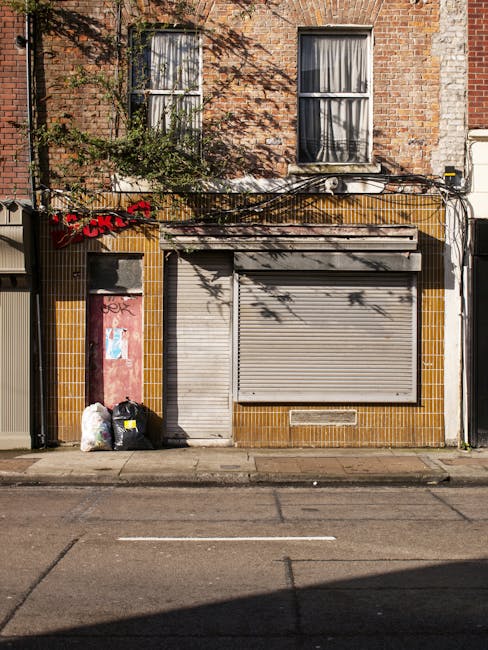
Rubbish removal Fulham Broadway and New Kings Road: a practical local guide to fast, compliant clearance
If you live or work around Fulham Broadway and New Kings Road, rubbish has a habit of building up at the worst possible moment. A flat move, a shop refit, a garden tidy-up, or a weekend declutter can leave you with more bags, broken furniture, and bulky items than you expected. Rubbish removal Fulham Broadway and New Kings Road is really about making that mess disappear quickly, safely, and without the faff of hiring a skip you may not even have room for. Done properly, it saves time, keeps shared entrances clear, and helps you avoid awkward compliance issues. Done badly, it can become a headache. Let's make it the easy version.
Why Rubbish removal Fulham Broadway and New Kings Road matters
Fulham Broadway and New Kings Road sit in a busy part of London where space is at a premium and people share pavements, stairwells, courtyards, loading spots, and narrow access routes. That changes the whole rubbish removal game. A pile of bags outside a terrace house might be there for ten minutes or it might cause a neighbour to grumble by lunch. A cracked wardrobe leaning in a hallway can make a move-out more stressful than it needs to be. And on a street with regular foot traffic, a messy collection point is not just untidy; it can be unsafe.
What makes local rubbish removal important here is not only convenience. It is also about timing, access, discretion, and knowing how to handle different waste streams. Domestic clutter, commercial waste, builder's debris, broken appliances, and garden cuttings all have different practical needs. A good clearance approach recognises that a first-floor flat off New Kings Road is not the same as a back-office strip-out near Fulham Broadway station.
There is also a local quality-of-life angle. When waste is removed well, buildings feel calmer, businesses look sharper, and renovations move along more smoothly. If you are preparing a property for sale or letting, that matters a lot. In fact, if you are already thinking about how waste clearance fits into a wider property plan, this guide on property transactions in Fulham gives useful context on how presentation and timing can affect the process.
Expert summary: rubbish removal in this part of Fulham works best when it is planned around access, building type, and the type of waste involved. Speed matters, but so does the method.
How Rubbish removal Fulham Broadway and New Kings Road works
At a practical level, the process is straightforward. You identify what needs to go, decide whether it is a one-off load or part of a larger clear-out, and arrange a collection window that fits the space and the building. The team then removes the items directly, loads them safely, and sorts them for reuse, recycling, or disposal where possible.
The details matter. For example, a back-to-back collection from a basement flat is different from clearing a top-floor apartment with no lift. Likewise, commercial waste from a cafe or clinic will require a different approach from a standard household load. The best providers think through the access route before they arrive, not after they are standing on the pavement with a mattress and a puzzled look.
In many cases, the service works best when the customer gives a clear description in advance: approximate volume, item types, access issues, parking restrictions, and whether anything is awkwardly heavy or fragile. A quick photo or two can save time. It is a small thing, but it helps a lot. Truth be told, it often avoids that classic "oh, there was more than I thought" moment.
If you want a broader overview of what professional rubbish clearance can cover, the services overview is a good place to see how domestic, commercial, and specialist collections sit alongside one another.
Typical stages in a collection
- Initial assessment of the waste, access, and loading conditions.
- Confirmation of the likely load size and collection timing.
- Arrival and safe removal from the property or agreed point.
- Segregation of recyclable, reusable, and non-recyclable material.
- Final disposal in line with carrier and environmental responsibilities.
Key benefits and practical advantages
One reason local people choose rubbish removal rather than leaving items to accumulate is simple: it clears mental space as much as physical space. A hallway full of broken furniture or boxes can make a home feel unfinished. A tidy loading bay can make a business feel much more open and organised. That sounds obvious, but once you have lived with clutter for a few weeks, you notice the difference immediately.
There are also some very practical advantages:
- Speed: collections can be arranged around your schedule rather than waiting for a general council pickup window.
- Less lifting: bulky items are removed by people used to handling awkward loads.
- Better access management: narrow staircases, shared entrances, and controlled entry points are handled with care.
- More flexible load sizes: you can clear a few items or a substantial amount without overcommitting to a fixed-size container.
- Cleaner finish: the space is usually left tidier than if you had been shifting items yourself in stages.
For many households, furniture removal is the main driver. For others, it is about end-of-tenancy clear-out, loft decluttering, or appliance disposal. If that is your situation, the dedicated furniture removal service and the white goods and appliance disposal option are especially relevant.
And let's not forget the sustainability side. A well-run clearance route should separate what can be recycled or reused. That is better for the environment and, in many cases, better for the overall outcome too. You can read more about the approach in the site's recycling and sustainability information.
Who this is for and when it makes sense
This type of rubbish removal is for people who need something more flexible than a traditional skip and more complete than a small bag collection. That might sound like a simple distinction, but in the real world it covers a lot of situations.
Common examples include:
- tenants moving out and needing to clear unwanted items fast
- landlords preparing a flat for new occupants
- homeowners tackling accumulated clutter after renovation
- builders or tradespeople dealing with rubble, timber, packaging, and offcuts
- local businesses removing old stock, shelving, or packaging waste
- garden owners clearing branches, soil, and seasonal cuttings
- families sorting a house clearance after a change in circumstances
Sometimes people assume they need a big job to justify booking clearance. Not true. If you have a bulky sofa, a few broken cabinets, and a run of bin bags that will not fit into normal household waste, you already have a valid reason. No drama. No need to wait until the space is completely unusable.
If you are dealing with a wider property tidy-up, the house clearance service is worth considering. If the project is more trade-focused, the builders waste removal page covers the sort of material that arises after work starts to bite.
Step-by-step guidance
If you want a smooth clearance, a little prep goes a long way. You do not need to stage a military operation in your hallway, but some order helps. Here is the method that tends to work best.
- Walk the space first. Identify what is going, what is staying, and what might be reused or donated. This is especially useful in flats where items can hide in storage cupboards and under beds.
- Group waste by type. Put furniture, electronics, mixed rubbish, garden material, and builder's waste into rough categories. It helps with quoting and disposal planning.
- Check access. Note parking, stairs, narrow doors, lift size, and any building rules. A small detail, like a restricted loading bay, can change the whole plan.
- Take a few photos. These are often enough to help with a more accurate assessment, especially if the waste volume is hard to judge in person.
- Confirm what should not be taken. Some items may need special handling. If you are unsure, ask rather than guessing.
- Set a realistic time window. Rushing creates avoidable stress. A collection arranged around access is usually smoother than a last-minute sprint while someone else is waiting outside the door.
- Do a final sweep. Check cupboards, balconies, and storage nooks before the team leaves. People always forget one thing. Always.
For households that are already in declutter mode, it can help to think about what could be repaired, donated, or repurposed first. There is a useful local perspective in the article on upcycling or repurposing common items. Sometimes an item that looks like waste in the morning becomes useful again by evening. Funny how that happens.
Expert tips for better results
The best rubbish clearances usually share the same traits: accurate information, good timing, and a little bit of planning. Nothing exotic. Just solid preparation.
- Be honest about volume. Underestimating waste is the fastest route to a rushed job. If you are torn between "a few bags" and "a lot of bags," it is probably the second one.
- Tell the provider about awkward access early. Long walks from the road, basement steps, and tight turns all matter.
- Separate clean recyclable items where possible. It can make sorting easier and improves the chance that useful material is handled properly.
- Protect communal areas. In shared blocks, lay down suitable protection if heavy items are being moved. Small care steps make a big difference.
- Book before the deadline panic. End-of-tenancy days, moving dates, and pre-sale preparations always arrive faster than expected.
A local nuance worth noting: properties near busy roads can be more awkward for loading than they look on paper. Traffic, parking pressure, and delivery bays can make a ten-minute task feel longer. It is not a disaster, just something to plan for. A calm slot at 8:00 in the morning can be worth more than a frantic noon collection when the street is already humming.
If you want to understand how a reputable operator frames service quality, the pages on about the company and insurance and safety are useful reading before you book.

Common mistakes to avoid
Most clearance problems are avoidable. The frustrating part is that the fix is often simple, but people only see it after the fact. So, a few things to watch out for.
- Leaving items at the last minute: This is the classic one. The van arrives and suddenly there is still a wardrobe in bits in the bedroom.
- Mixing normal rubbish with special items: Appliances, heavy construction waste, and general household rubbish may need different handling.
- Ignoring building rules: Some blocks have strict access arrangements, lift protection needs, or loading restrictions.
- Choosing purely on the lowest price: If a quote looks unrealistically cheap, ask how the work will be carried out and what is included.
- Forgetting compliance matters: Waste should be carried and managed by a legitimate operator. That is not optional.
Another subtle mistake is treating all clearances like a one-size-fits-all task. A landlord clear-out after a tenancy, for instance, can involve furniture, mixed waste, and sometimes forgotten personal belongings. A garden clean-up is a different animal entirely. The more specific you are, the better the result tends to be.
Tools, resources and recommendations
You do not need a toolkit the size of a DIY warehouse, but a few practical items make life easier before a collection.
- strong bin bags for lighter material
- boxes or crates for loose items
- labels or masking tape for separating what stays and what goes
- gloves for sorting dusty or sharp objects
- a torch for cupboards, cellars, and loft spaces
- a quick notepad list of items that may need special mention
On the information side, a few site pages can help you make better choices. If you are comparing services, start with the pricing and quotes guidance. If your waste is clearly household-led, the domestic waste collection page is a sensible fit. For commercial settings, the commercial waste removal page is the better match.
If you are moving around the neighbourhood and want to understand the local context a bit more, these reads are handy too: a local look at Fulham and a livability perspective on Fulham. Not strictly about rubbish, of course, but they do help explain why sensible waste management matters in a dense, fast-moving area.
Law, compliance, standards and best practice
Waste removal in the UK is not just a practical service; it is also a compliance matter. That means the operator should be able to handle waste responsibly, transport it lawfully, and dispose of it through appropriate channels. You do not need to become a compliance expert yourself, but you should know what good practice looks like.
In plain English, here is the baseline:
- the carrier should be able to demonstrate lawful waste handling
- items should not be fly-tipped or dumped in unsuitable places
- recyclable materials should be separated where possible
- hazardous or restricted items should be dealt with cautiously
- customers should be clear about what is being removed
It is also sensible to check that the provider takes safety seriously. Heavy lifting, sharp edges, dust, and awkward stairways all present risks. Good operators think about these things before they arrive on site. If you want a deeper look at this side of the work, the waste carrier licence and compliance information is especially relevant.
There are also wider values to consider. Responsible providers should avoid practices that rely on unsafe or exploitative labour and should maintain secure payment handling and clear terms. Those details may sound administrative, but they are part of a trustworthy service. You can read more via the site's modern slavery statement, payment and security page, and terms and conditions.
Options, methods and comparison table
People often compare a few ways of getting rid of rubbish. The right choice depends on volume, access, urgency, and the type of material you have. A skip is not always the answer, and a hand-sorted bag run is not always enough. Here is a plain comparison.
| Method | Best for | Strengths | Watch-outs |
|---|---|---|---|
| Man-and-van rubbish removal | Mixed household waste, bulky items, flexible loads | Fast, convenient, suited to tight access | Needs clear item descriptions and access details |
| Skip hire | Longer projects, repeated loading, renovation debris | Good for ongoing work on-site | Needs space, permits may be needed, items must be loaded by you |
| Scheduled council-style disposal | Some reusable or standard household waste | Can suit routine disposal needs | Less flexible for bulky or urgent jobs |
| Specialist item disposal | Appliances, specific bulky goods, certain restricted items | Safer handling for awkward objects | Needs correct categorisation |
To be fair, there is no universal winner. A quick one-off clearance in a flat near Fulham Broadway often suits a direct removal service. A drawn-out refurbishment on New Kings Road may suit a different arrangement altogether. The trick is matching the method to the job instead of forcing the job to fit the method.
Case study or real-world example
Picture a typical late-summer Friday. A couple in a third-floor flat off New Kings Road have been decluttering for weeks, and now the hallway is full of old chairs, a dining table with a loose leg, two broken bookcases, several bin bags, and a white goods item they never quite got around to sorting. They also have a narrow staircase, a shared entrance, and a loading space that disappears at busy times.
They send over a short description and a few photos. The collection is arranged for an early morning window, which helps with access. The items are removed in one visit, the route through the building is kept tidy, and the couple can actually use their flat that evening instead of stepping around a pile of "must deal with this later" objects. Nothing dramatic. Just one of those little local wins that makes a week feel easier.
That sort of result is exactly why rubbish removal around this part of Fulham is often best handled as a planned, coordinated service rather than an afterthought. It saves the stress you do not need.
Practical checklist
Use this before booking or collection day.
- List every item you want removed.
- Separate furniture, appliances, garden waste, and builders' waste if possible.
- Check stairs, lift access, parking, and loading restrictions.
- Take photos if the load is hard to describe.
- Confirm whether anything needs special handling.
- Make sure shared hallways and entrances are kept clear.
- Set aside anything you want to keep before the team arrives.
- Ask about recycling, reuse, and disposal approach.
- Review service details, payment handling, and safety information.
- Keep one final walk-through for cupboards, balconies, and storage areas.
If your clear-out is tied to a move, a renovation, or a new tenancy, it may help to think a step ahead. The difference between a rushed job and a smooth one is often just a bit of sequencing. Not glamorous, but it works.
Conclusion
Rubbish removal Fulham Broadway and New Kings Road is at its best when it is local, sensible, and arranged with real-life access in mind. That means understanding the type of waste, planning for narrow streets and shared buildings, and choosing a service that treats compliance and safety as part of the job rather than an afterthought. Whether you are clearing a flat, tidying a garden, removing old furniture, or dealing with trade waste, a thoughtful approach will usually save you time and reduce stress.
In a busy part of London, the right clearance plan can make a property feel calmer almost immediately. Space opens up. The air feels lighter. You can move again without constantly sidestepping bags and boxes. And honestly, that small sense of order is worth a lot.
Get a free quote today and see how much you can save.