Parsons Green waste removal insider tips on access and parking
Posted on 30/06/2026
If you have ever tried to organise a clearance in Parsons Green, you will know the real challenge is not always the waste itself. It is the access. It is the parking. It is the awkward basement stairs, the tight mews entrance, the resident permits, the busy school run, the rail disruption that seems to happen exactly when you need a lorry nearby. Parsons Green waste removal insider tips on access and parking can save you time, money, and a fair bit of stress.
This guide focuses on the practical side of getting waste out of SW6 without drama. You will find local access advice, parking considerations, loading tactics, planning tips for flats and terraces, and a sensible checklist you can actually use. If you are comparing services, you may also want to look at the broader service overview and the company's notes on insurance and safety before booking anything. Those details matter more than people think.
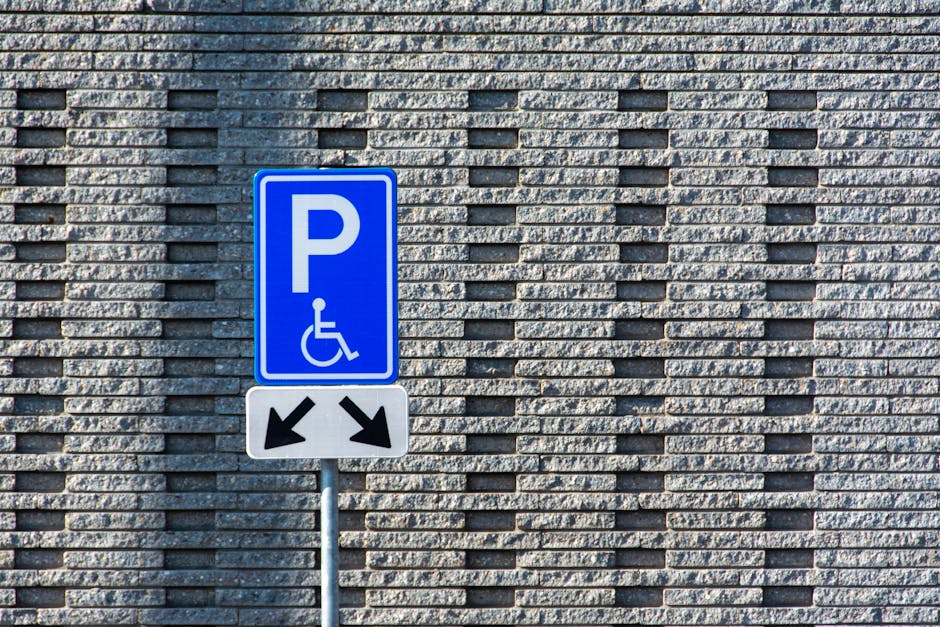
Why Parsons Green waste removal insider tips on access and parking Matters
Parsons Green is one of those places where waste collection can look straightforward on paper and then become unexpectedly fiddly in real life. Streets can be narrow, bays can be occupied, and access points may be hidden behind front gardens, railings, coded gates, or shared entrances. Even a short distance from the van to the pile of waste can affect how quickly a team works.
That matters for two reasons. First, timing. If a clearance team cannot park close enough, the job takes longer. That can affect the schedule and, in some cases, the price. Second, safety. Carrying heavy furniture or mixed junk across a longer route increases the chance of knocks to walls, scuffs on floors, and tired backs. Not ideal, to be fair.
There is also the neighbour factor. Nobody wants a van blocking a junction, buzzing a door for the wrong flat, or leaving bags on the pavement for too long. In a busy pocket like Parsons Green, a tidy, well-planned collection feels almost invisible. That is the sweet spot.
Expert summary: In Parsons Green, the best waste removal jobs are the ones planned around access first and waste volume second. If you solve parking, loading route, and entry points early, the whole job usually becomes smoother, faster, and less stressful.
If you are clearing a property as part of a move or refurbishment, the local context matters even more. A bit of reading around the area helps too, including this useful piece on life in Fulham and how the neighbourhood has evolved. It gives a better feel for the streets, building styles, and everyday rhythms that shape access decisions.
How Parsons Green waste removal insider tips on access and parking Works
The basic process is simple: identify what needs removing, work out how to reach it, make a sensible parking plan, and then arrange a collection window that fits the street. The hard part is the detail. In Parsons Green, detail is everything.
A good clearance starts with a quick access check. That usually includes:
- Where the vehicle can legally stop
- How far the waste must be carried
- Whether there are stairs, lifts, or narrow hallways
- Any gate codes, concierge rules, or building restrictions
- Whether parking permits, loading bays, or waiting limits apply
On the day, the team should be able to unload equipment, assess the route, and get moving without a lot of back-and-forth. If the waste is coming from a basement flat, top-floor maisonette, or rear garden, the parking decision often matters just as much as the collection method.
For domestic jobs, a standard load can often be removed quickly if access is clear. For larger clearances, such as house contents or bulky items, the team may need to break down furniture on site, protect floors, and move in stages. If your job looks more like a full property clear-out than a small tidy-up, it may be worth checking the specific approach described on the house clearance service page.
In practice, the best outcome is usually a clean handover: the vehicle parks where it can, the waste is loaded efficiently, and the area is left tidy. Simple enough. Not always easy, though.
Key Benefits and Practical Advantages
Getting access and parking right is not just about convenience. It can improve the whole job from start to finish.
- Faster collection times: Shorter carrying distances mean the team can complete the job more efficiently.
- Lower disruption: Better parking choices reduce the chance of blocking neighbours, entrances, or traffic flow.
- Reduced handling risk: Fewer trips across steps, paths, and corridors help protect property and people.
- More accurate pricing: Clear access details make it easier to quote fairly and avoid awkward surprises later.
- Better for mixed-use and busy roads: Parsons Green has a mix of residential and commuter traffic, so timing matters.
There is a subtle but real benefit too: less friction. When the crew can get close to the property, the whole interaction feels smoother. Nobody is standing around looking at a van across the road, wondering how the sofa is going to make it past the railings. A calm start tends to lead to a calm finish.
For anyone planning work around a renovation, the right clearance partner can also help with project flow. That is especially true if you are dealing with builders' offcuts or strips of plasterboard after works. In those cases, a dedicated builders waste removal option for Fulham can make more sense than trying to improvise with general collection.
Who This Is For and When It Makes Sense
This topic is relevant to a surprisingly wide range of people. If you live, work, rent, manage, or renovate around Parsons Green, access and parking can shape the whole experience.
- Homeowners: Especially if you are clearing a loft, garage, cellar, or garden.
- Tenants: Handy when you are moving out and need to clear furniture quickly.
- Landlords and letting agents: Useful for end-of-tenancy clearances or post-check-out cleanups.
- Developers and builders: Essential for skips, vans, and mixed building waste.
- Businesses: Offices, shops, and small commercial premises often need timed access and neat parking arrangements.
It makes sense whenever the waste is bulky, the route is awkward, or the property sits on a road where stopping is not exactly relaxed. That includes Victorian terraces with limited front space, upper-floor flats, mews-style layouts, and properties with controlled access or shared courtyards.
Sometimes people only realise the access issue when the old wardrobe is already outside and halfway down the path. That is the wrong moment. Better to think it through first, even if the job feels small. A five-minute planning conversation can save a forty-minute headache.
If you are unsure which kind of clearance fits your situation, a broader read through domestic waste collection in Fulham and related services such as furniture removal and white goods and appliance disposal can help you match the job to the right service type.
Step-by-Step Guidance
Here is the most practical way to plan a Parsons Green collection without getting caught out by access or parking.
- List what needs removing. Separate general rubbish from furniture, appliances, garden waste, and builders' debris. Mixed loads are fine, but knowing what you have helps with planning.
- Check the route from the property to the road. Measure or at least eyeball the doorway width, stairs, turns, and any awkward corners. A bulky wardrobe on a narrow staircase is a different problem from black bags in a hallway.
- Identify parking realities. Is there a bay outside? Is it permit-controlled? Can a vehicle stop briefly for loading? Are there time restrictions during school drop-off or commuter peaks?
- Look for hidden access blockers. Think about low branches, tight gates, basement steps, intercom entry, bollards, or shared entrances. These little things are the ones that trip up an otherwise easy job.
- Tell the clearance team early. Share the parking situation honestly. If a road is tight or only a small van can fit, say so up front. Better now than on arrival.
- Set the waste in a sensible spot. If possible, place items close to the exit but not in a way that blocks residents. Keep walkways clear. Safety first.
- Allow a little breathing room. If the van needs to wait briefly while someone opens a gate or moves a car, that is normal. What helps is clarity and good communication.
A realistic example: a first-floor flat off Parsons Green Road with two large armchairs and a broken fridge. If the van cannot stop close by, those items suddenly become awkward, heavy, and slow to carry. If parking is planned well, the same job becomes routine. Not glamorous, but routine is good.
For anything involving larger volumes or mixed household contents, it can help to understand how a house clearance in Fulham is typically organised, because those jobs tend to involve more access decisions than people expect.
Expert Tips for Better Results
These are the small details that often make the difference between a smooth collection and an irritating one.
- Book outside the busiest windows if you can. Early mornings are often calmer than late afternoons near school pickup time or commuter rush.
- Send photos before the job. A couple of clear images of the waste, front entrance, and parking view can prevent confusion. Honestly, they are worth it.
- Separate fragile items from heavy ones. That makes handling safer and less chaotic once the team arrives.
- Unbolt or disassemble large furniture if practical. Only if it is safe to do so. A flat-pack wardrobe is much easier than a fully assembled one.
- Keep the pavement clear. It sounds obvious, but clutter around the entrance slows everything down.
- Warn about steep steps or narrow stairwells. Those details help the crew bring the right equipment and plan the carry route.
Here is a small insider truth: many clearance delays are caused not by the waste, but by the first five minutes. Where do we park? Which gate opens? Who has the fob? Once those bits are sorted, the rest usually runs itself.
If your clear-out includes items that could be reused, think twice before sending everything for disposal. It is often worth reading about creative ways to reuse items instead of throwing them in a skip. A decent chair or table can sometimes get a second life, which is better for your wallet and the planet.

Common Mistakes to Avoid
Access and parking problems are usually avoidable. The most common mistakes are surprisingly ordinary.
- Assuming the van can stop anywhere. In London, that is rarely true. Permits, bay times, and loading rules matter.
- Underestimating carry distance. Ten metres sounds short until you are carrying a mattress through rain, over a threshold, and around a parked car.
- Not mentioning restrictions. If the street has timed controls or the building has a concierge rule, say so early.
- Forgetting about neighbours. Blocking a shared driveway or leaning waste against someone else's wall is the sort of thing that causes avoidable friction.
- Leaving everything until the last minute. That almost always creates clutter, stress, and rushed decisions.
One more thing: people often think a collection will be quicker than it really is, especially when there are stairs. It is easy to say, "It's just a few bits," and then discover the "few bits" include a wardrobe, a deconstructed bed frame, and a rusted exercise bike from 2018 that nobody likes talking about.
For budgeting and planning, it can also help to compare service expectations with broader information on SW6 rubbish clearance costs and what affects them. Access, parking, volume, and item type can all play a role.
Tools, Resources and Recommendations
You do not need a truckload of fancy gear to plan well. A few basic tools and habits go a long way.
- Phone camera: Take photos of the waste, front entrance, and street view for reference.
- Measuring tape: Useful for large furniture, doorways, and stair landings.
- Notebook or notes app: Keep access instructions, gate codes, and parking details in one place.
- Packaging tape and labels: Helpful if you are sorting keep, donate, recycle, and remove piles.
- Basic floor protection: Old sheets or protective covering can help around busy hallways.
For service planning, these pages are useful starting points: pricing and quotes for budget planning, waste carrier licence and compliance for reassurance, and recycling and sustainability if you want to understand what happens to recyclable material after collection.
If you are dealing with commercial premises, the same access principles still apply, but the stakes can be higher because business operations cannot wait around all day. In that case, the guidance on commercial waste removal in Fulham may be especially relevant.
Law, Compliance, Standards, or Best Practice
Waste removal is not just about lifting and shifting. In the UK, there are clear expectations around lawful disposal, safe handling, and responsible transport. You do not need to memorise legislation to book a collection, but you do want to know that the people handling the waste are working properly and not cutting corners.
In practical terms, best practice usually includes:
- Using a licensed waste carrier
- Handling waste safely and separating items where appropriate
- Keeping access clear so pedestrians are not put at risk
- Avoiding fly-tipping or leaving material on the street without proper arrangement
- Being transparent about the type and volume of waste
Parking and access also intersect with courtesy and local rules. A van that blocks a dropped kerb, sits across a junction, or causes unnecessary congestion can create trouble very quickly. Good operators understand this and plan to minimise disruption. That is part compliance, part professionalism, part common sense really.
If you want a better sense of how a local business presents its standards, policies, and approach to responsibility, the pages on about us, insurance and safety, and privacy policy are worth a look. They are not glamorous reading. Still useful, though.
Options, Methods, and Comparison Table
There is more than one way to organise waste removal in Parsons Green. The right choice depends on volume, access, timing, and how much lifting you want to avoid.
| Method | Best for | Access and parking impact | Typical advantage |
|---|---|---|---|
| Man-and-van style clearance | Mixed household waste, furniture, general clear-outs | Needs sensible parking close to the property | Flexible and usually suited to tight residential streets |
| Dedicated furniture removal | Sofas, beds, wardrobes, one-off bulky items | Beneficial when loading can happen near the entrance | Good for heavy items that need careful handling |
| Domestic waste collection | Smaller clearances, bagged rubbish, everyday household waste | Less demanding if volumes are modest | Quick and straightforward for lighter jobs |
| Builders waste removal | Renovation debris, offcuts, rubble, packaging | Parking and loading plan often need more thought | Best when works are ongoing and access is already busy |
| Garden waste removal | Branches, soil, hedge cuttings, old planters | Rear-garden access can matter more than road access | Handy after seasonal tidy-ups or landscaping jobs |
If you are unsure which route suits your situation, it is usually better to start with the most specific service category available. That avoids overpaying for something too broad, or underestimating the access challenge and getting frustrated halfway through.
Case Study or Real-World Example
Here is a realistic Parsons Green scenario.
A two-bedroom flat near the green needed clearing after a move. The owners had a sofa, a dismantled bed, a chest of drawers, eight bags of mixed household items, and a washing machine. The street was permit-controlled, with a narrow parking window and a school nearby. On top of that, the building entrance sat a few steps above pavement level, which is the sort of thing people forget to mention until the day itself.
What made it work?
- Photos were shared in advance, including the front entrance and parking view
- The team was told exactly where the items were stored inside the flat
- The collection was arranged outside the busiest school-run period
- Large furniture was partially dismantled before the crew arrived
- A clear loading route was kept open, so the hallway did not become a bottleneck
The result was not miraculous. It was just well planned. But that is the point. No scrambling for parking. No guessing about access. No wandering van circling the block while everyone else gets grumpy. The job felt easy because the unglamorous bits were handled properly.
That same logic applies to bigger life moments too, such as moving house or dealing with a property sale. If you are in that stage, a useful related read is property transactions in Fulham, which speaks to the practical side of getting a place ready for handover.
Practical Checklist
Use this before booking or on the morning of collection.
- Have I listed all items that need removing?
- Do I know whether the waste is general, bulky, electrical, garden, or builders' material?
- Can a vehicle park close enough to the property?
- Are there permit rules, bay restrictions, or timed loading limits?
- Have I mentioned basement steps, stairwells, gates, or access codes?
- Are floors and walls protected where needed?
- Have I cleared a sensible path from the waste to the exit?
- Have I shared photos if the access looks complicated?
- Do I need to separate items for reuse or recycling?
- Is the booking time chosen to avoid traffic peaks if possible?
Quick rule of thumb: if you need to explain the access in more than one sentence, send photos as well. Saves everyone a bit of guesswork.
Get a free quote today and see how much you can save.
Conclusion
Parsons Green waste removal is rarely difficult because of the waste itself. The real challenge is usually the route, the parking, and the little local details that can slow a collection down if nobody thinks about them early. Once you understand that, the job becomes much more manageable.
Good planning means clearer quotes, quicker loading, safer handling, and less disruption for neighbours and building managers. It also means fewer surprises, which in London is never a bad thing. If you take away one thing from this guide, make it this: access is part of the job, not an afterthought.
And if the whole process still feels a bit much, that is normal. A well-run collection should feel calm, not complicated. The best ones almost disappear into the day, leaving only cleared space and a nice sense of relief.